MIDDLE EAST MODERN
Newcastle Productions
0   /   100
INTRODUCTION

MIDDLE EAST MODERN ARCHITECTURE SERIES


Bringing to Light Diverse Stories of
the Architecture of the Middle East

This unprecedented series tells the stories and history of Modern architecture in the Middle East, starting with the Gulf Cooperation Council (GCC) countries (Kingdom of Bahrain, State of Kuwait, Sultanate of Oman, State of Qatar, Kingdom of Saudi Arabia, and the United Arab Emirates). We will explore the major contributions and innovations in design that these nations have contributed to world architecture.

There is a growing interest in the region, especially after the eyes of the world watched the FIFA World Cup in Doha and the ways in which that event helped to unify and showcase the Arab world.

Our series will highlight the GCC region, with a special emphasis on visionary initiatives, like Saudi Arabia's NEOM and Red Sea projects. In addition, this exploration of Modern Architecture in the MENA region will help to build capacity by inspiring a new generation of Arab architects.
,
Story, Style, Approach: Sophisticated, Elegant, Timeless

The foundation of our approach goes deep with research. Although the region‘s history spans over 5,000 years, much of the past 50 years remains an enigma, even though the Middle East is home to some of the world’s most intriguing and cutting-edge architecture and design. We go beyond the looks, the superficial, to shape these stories in a very people-focused way.
The words of Nuno Abreu shape our mission: “We define design in the Middle East with three words: Sophisticated, Elegant, Timeless.”

Our themes include visual essays with historians, urban planners, architects and artists who helped shape these communities and their culture and can speak of its soul. We will share the stories of people who have witnessed the remarkable changes that have taken place in the region as it transitions from a  hydrocarbons based economy to a knowledge-based economy.

Our storytelling and production approach will use cutting-edge tools and technologies, working hand-in-hand with local production talent from the Arab world. Based on our many years of experience, we will include an analytics-driven ‘Social Strategy’ marketing plan to bring our vision to a global audience. We have assembled a highly  professional, experienced team that will deliver a first-class production. one that will inspire pride for years to come.
Middle East Modern

Kingdom of Bahrain: Manama

 
By Roberto Fabbri

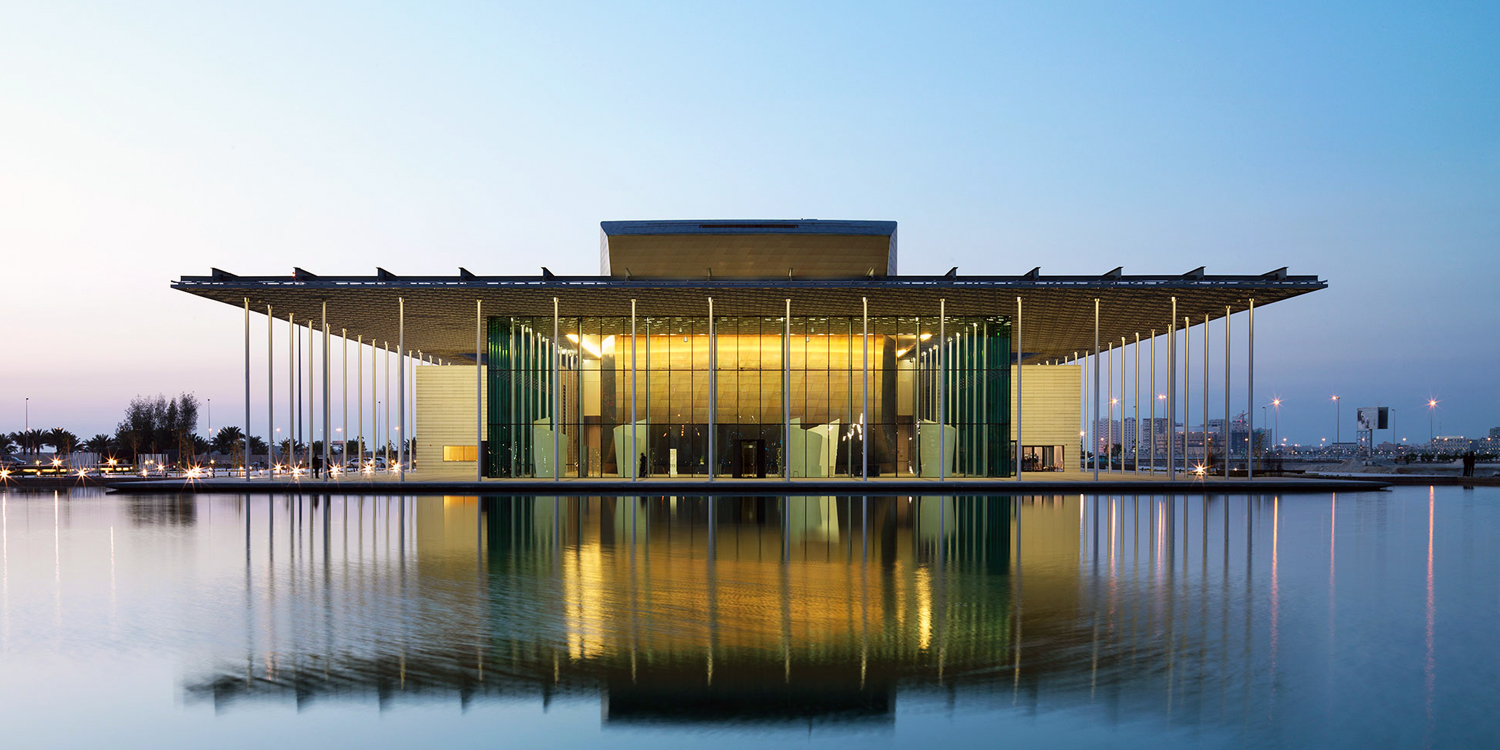
Traditional Bahraini architecture is similar to that of its neighbors. The centuries-old forts in Bahrain resemble the same architectural style found in other forts in the Arabian Gulf region, but the domestic architecture in the country is unique in the region. Following independence and the oil boom of the 1970s, Western-style office buildings were built in the financial districts of Manama, particularly in the Diplomatic Area. Buildings with fusions of traditional architecture and modernism, such as the Al Zamil Tower, have won  awards, including the Aga Khan Award for Architecture in 2007.

Middle East Modern

State of Kuwait:
Kuwait City


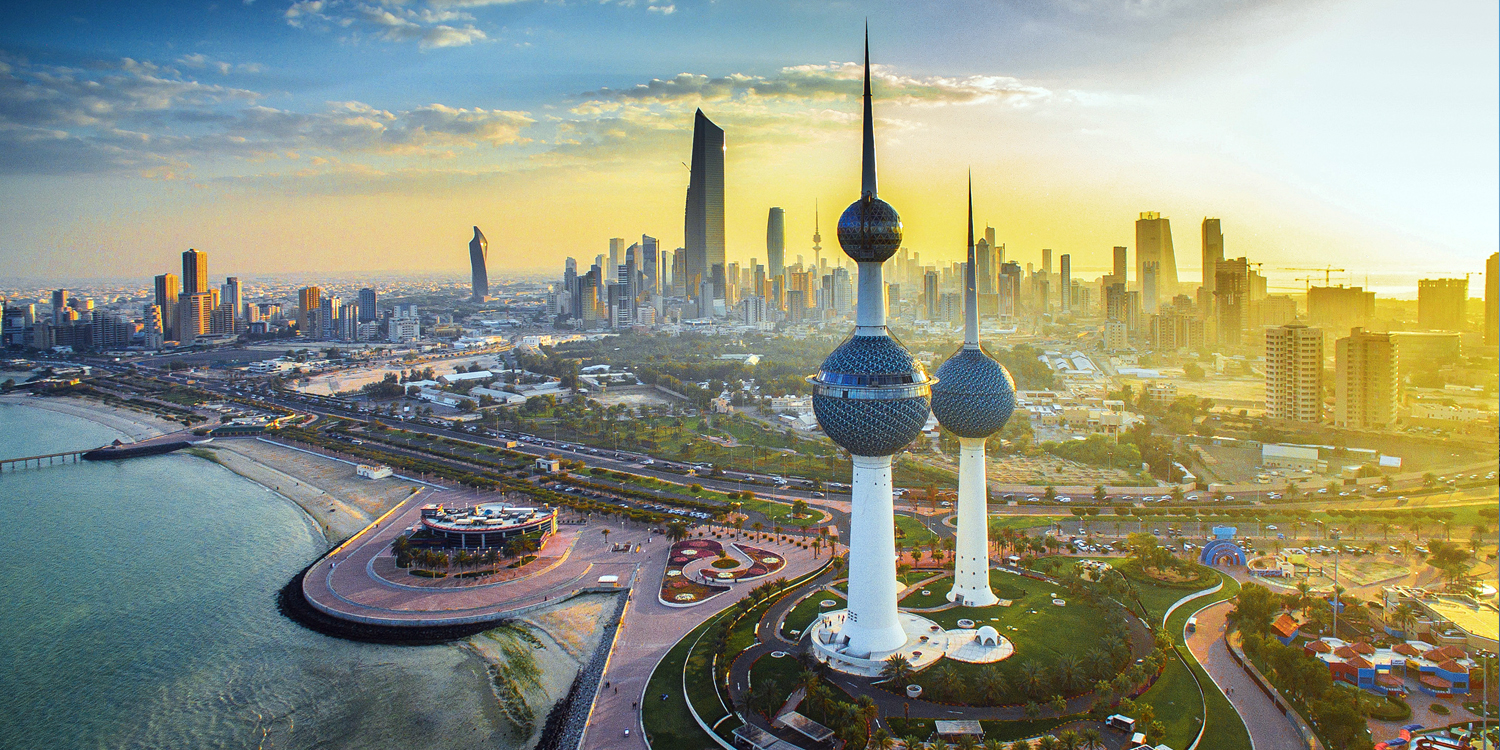
Kuwait Modern architecture is mostly in the International style, although there are several buildings that demonstrate a specific relationship with Middle Eastern themes. The best-known example of Kuwaiti Modern architecture is the nation’s water towers, consisting of tall pointed conical spires soaring above a spherical water tank. While Kuwait features a number of distinctive architectural styles, Kuwait Towers is considered the nation’s signature architectural achievement. The National Assembly of Kuwait is also a prominent landmark, designed by the Danish architect Jørn Utzon and completed in 1972

Middle East Modern

Sultanate of Oman: Muscat


The architecture of Oman, perhaps more than any other Arab country, is suited to its varying terrain, ranging from mountain houses to desert tents and coastal forts, built to withstand the Sultanate’s climatic challenges. More than just practical,  Omani architecture gives insight into this country’s culture and long history,  thanks largely to the long-term vision of H.M. Sultan Qaboos bin Said Al Said (1940–2020).
From shopping malls to houses and museums, Oman’s  buildings feature an  omnipresent motif of arched windows, white and off-white exteriors, and fort-like castellations.


Oman’s architecture, in  contrast to that of some of its neighbors, seems to follow the three basic tenets of simplicity, moderation and elegance, often with a feeling of minimalism and austerity.

Middle East Modern

State of Qatar:
Doha


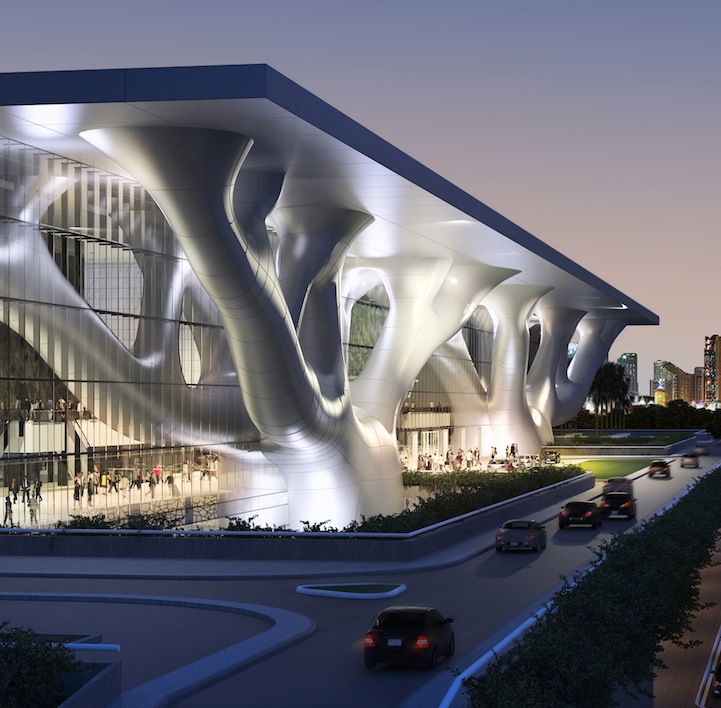
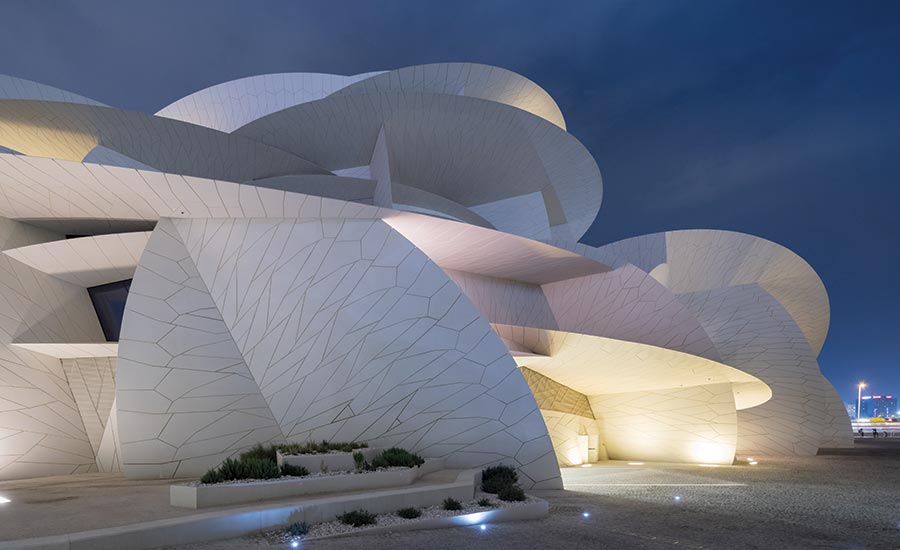
Qatar is home to an eclectic mix of architecture, with building designs ranging from traditional to modern. Doha, the capital city, is filled with distinctive architectural feats, including Souq Waqif, The Pearl, Qatar University, the Doha skyline and more. In the 1970s, Doha’s urban planning, accentuated by its roundabouts, was among the most modern in the region.
Today, the architectural landscape of Qatar is constantly changing as world-famous architects design new landmarks.

Hosting the 2022 FIFA World Cup provides Qatar with an opportunity to showcase the country’s architecture, design and culture in front of a global audience.

Middle East Modern

Kingdom of Saudi Arabia:
Riyadh, Jeddah and AlUla


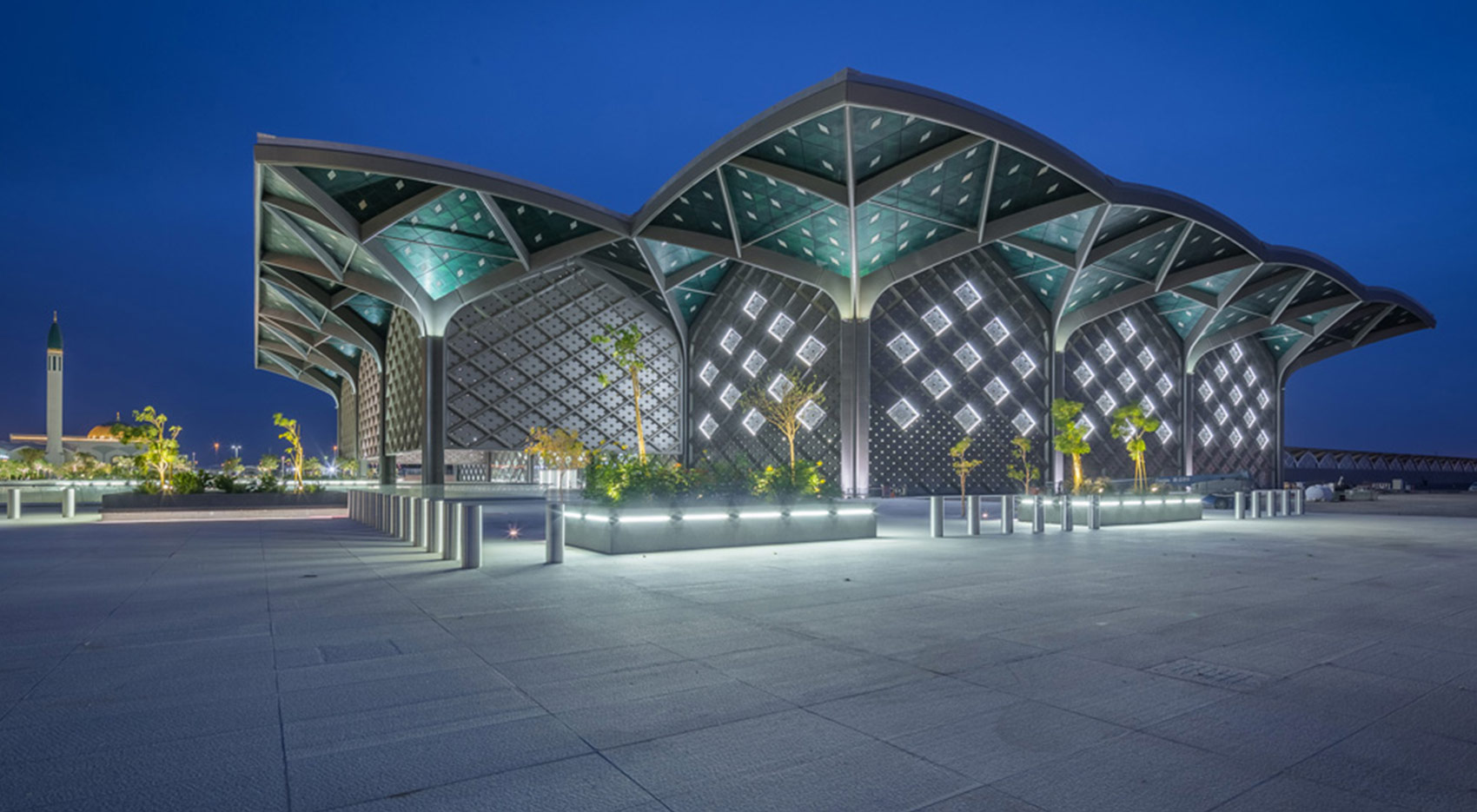
Postmodern architecture was an international style in the late 1970s that influenced contemporary architecture. The postmodern style can be defined as sensual, surprising and humorous.
Postmodern architecture in Saudi Arabia is considered to be the Kingdom’s most popular style because it is used in all parts of the country. This architectural style was previously unknown in Saudi Arabia because it was imported from abroad, but it became widely accepted in part because it reflected social-cultural and environmental factors that are valued in Saudi Arabia.

Middle East Modern

United Arab Emirates:
Abu Dhabi, Dubai, Sharjah (and more


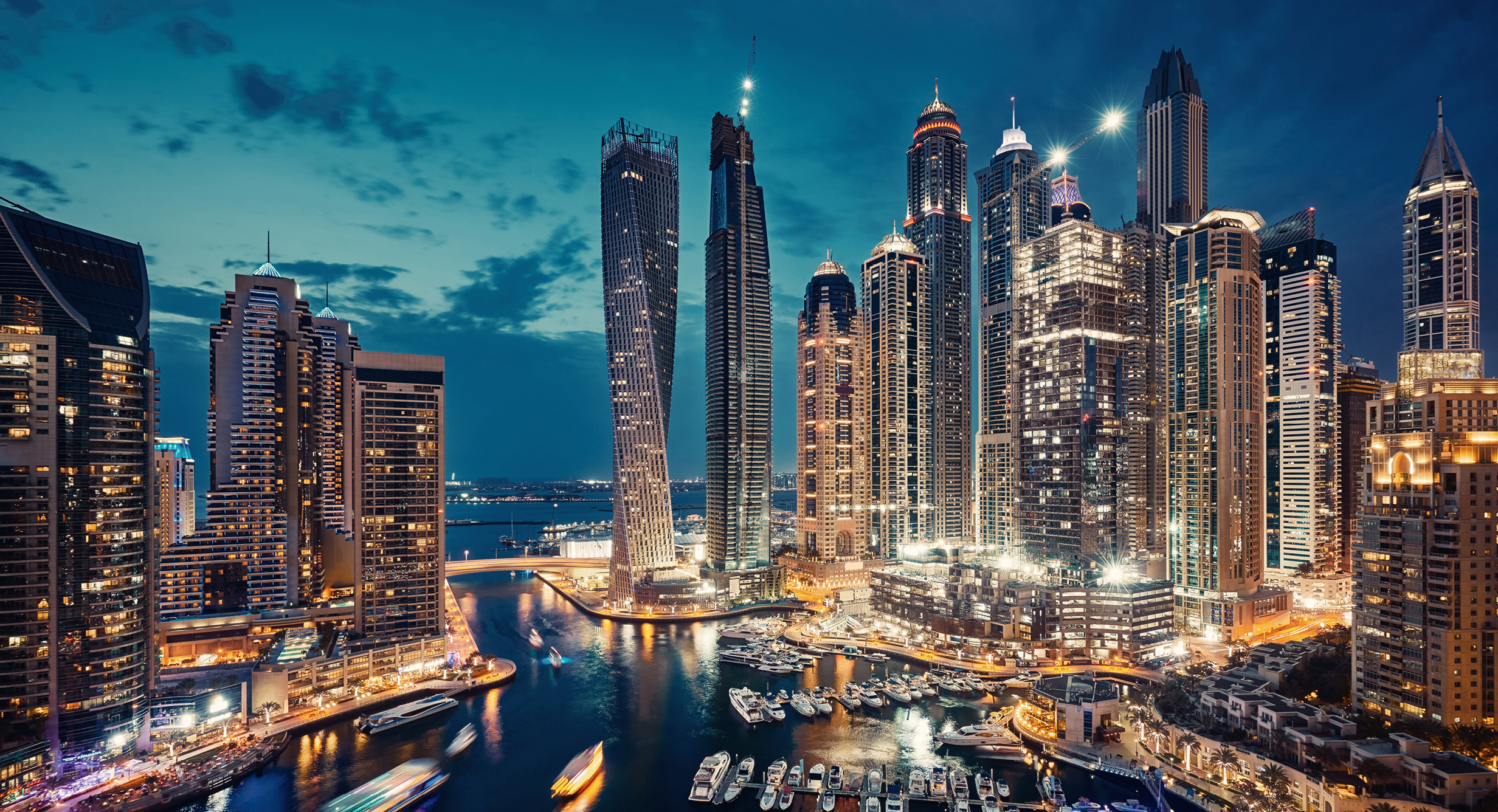
The architecture of the United Arab Emirates (UAE) has undergone dramatic transformation in recent decades, from operating as a collection of fishing villages to a global business hub known for its innovation and dynamism.
Between the 1960s and 1970s, architecture in the UAE was highly traditional, with narrow alleys and modest homes featuring wind towers reflective of a strong Bedouin heritage. That traditional architecture was influenced by elements of Islamic, Arabian and Persian culture.
In the early 1970s, H.H. Sheikh Rashid bin Saeed Al Maktoum, then ruler of Dubai, employed British architect John R Harris to create the stylish Modernist architecture for which the major cities of the UAE are known today. 
The introduction of exposed glass curtain walls represented the beginning of a movement, used extensively in the design of almost every commercial and high-rise building façade in the Arabian Gulf. In less commercial areas, Emirati architecture continues to reflect the customs and traditional lifestyles of the local peoples.
In those residential areas, building materials are unrefined, contrasting with the glamorous images of the seven emirates today.

Join Our Team